
ARE WE ALL GRANDMAS? THE RADICALISM OF TAKING YOUR TIME: THE ONLINE REVIVAL OF FIBRE ARTS
Words by Evie Colman & Photography by Daisy Shaw

There’s a new standard circulating on social media: getting a hobby.
Not having a hobby that's offline is the modern mark of boredom. People on TikTok have made it clear that if your entire personality exists inside your phone, you’re doing life wrong. And so, across TikTok and Instagram, everyone suddenly seems to have a hobby.
But something about this hobby renaissance feels strangely familiar. Knitting. Crocheting. Sewing. Baking. Activities once associated with someone’s grandmother are now circulating as aspirational lifestyle content.
These crafts and hobbies carry long and complex histories. For generations these traditional hobbies were embedded within the domestic lives of women, tied to the roles society made them occupy. Skills like knitting, mending and sewing were often learned out of necessity rather than choice. In rural communities especially, these traditions persisted long after urban life moved toward convenience and mass production. Making things by hand was simply part of everyday life.
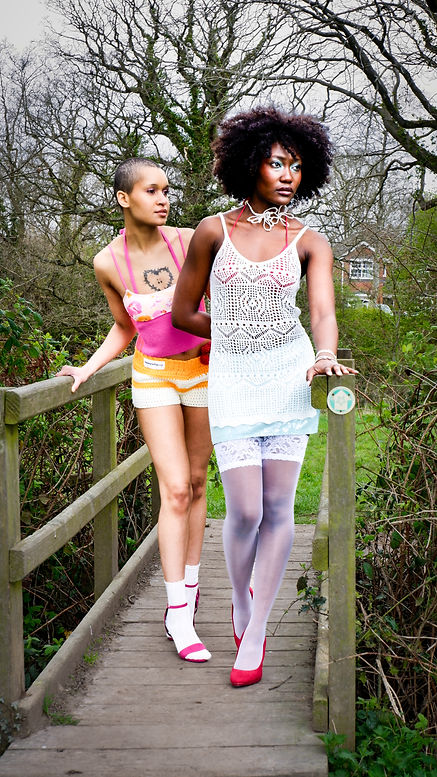

What feels new is not the craft itself, but the context in which it is growing popular. Fast fashion and digital culture dominate daily life. Slower, more traditional practices are being rediscovered as forms of creativity, mindfulness and community.
Part of the appeal of hobbies lies in something deeper than aesthetics. Modern urban life has gradually eroded many of the informal communities that once structured everyday life. Active third spaces, such as public parks and libraries, became rare.
In rural areas, community has historically been built through shared spaces and practical skills, passing down crafts and trades across generations. In cities, where social interaction is often fragmented, hobbies have started to act as substitutes for that lost space. Run clubs, pottery workshops and knitting circles offer something urban modern life often lacks. What appears online as a trend may actually be a search for the kinds of community that rural, slower life is built on.
At the same time, hobbies themselves have become aesthetic identities, perfect for mass consumerism. Social media encourages people to become one thing, the running girl, the ceramic girl, the tennis girl. The more specific the identity, the easier it is to brand. And like any identity online, hobbies come with wardrobes and style.
But craft has always been more than aesthetics.
Throughout history, fibre arts have carried political weight. In the 1760s, during growing resistance to British rule in colonial America, women organised spinning bees. These were gatherings where women spun yarn together in order to boycott British textiles. In 1767, the New York Journal reported that 34 women sat spinning from five in the morning until seven in the evening “for the love of Liberty and the dread of tyranny.” The yarn they produced became homespun clothing, worn deliberately as a rejection of British goods.
Craft also offered women one of the few socially acceptable ways to participate in political life. During the American Revolution, a spy named Molly Rinker reportedly used knitting to conceal information about the movements of British troops, hiding messages inside balls of yarn. And in revolutionary France, knitting took on a similarly symbolic role. Men grew uneasy with market women organising political meetings which ultimately lead to them being banned from civic participation. In protest, groups of women gathered in market squares and outside public executions, knitting red stocking caps that spread across Paris and became known as liberty caps.
Even during the American Civil War, knitting circles became spaces for women to share abolitionist ideas. Some embroidered messages into their domestic crafts. Passive handiwork became the way for women to push against society.
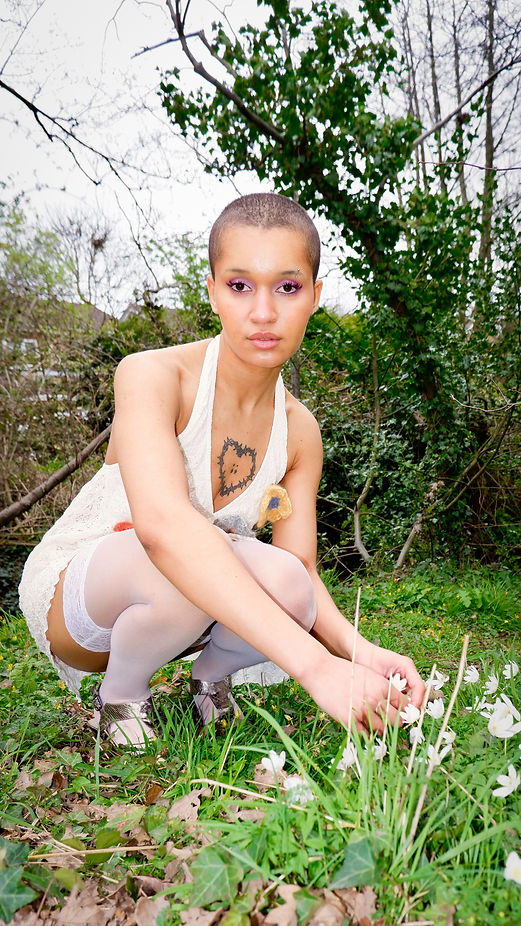
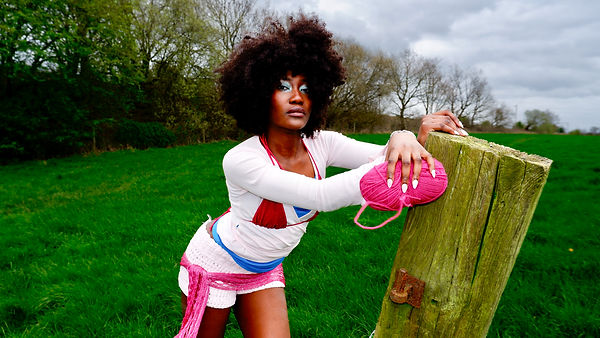
Industrialisation and mass production have slowly removed the need for people to make their own clothes. Skills passed down through generations have largely dissipated.
Over the past decade, knitting and crocheting have quietly returned, helped largely by the internet itself. Platforms like YouTube and TikTok have made crafts more accessible. These skills which were once taught by family members or in school, can now be learned through a three-minute tutorial.
Celebrity culture has played its part too. During the COVID-19 pandemic people searched for hobbies to fill the long hours of lockdown. Around the same time, a patchwork cardigan worn by Harry Styles went viral, inspiring thousands of amateur knitters to recreate it stitch by stitch. Olympic diver Tom Daley knitted poolside during competitions, reframing knitting not as old-fashioned, but cool.
The growing awareness of fast fashion has pushed younger consumers to think differently about clothing. Understanding workers rights and how garments are made has pushed Gen Z to want to shop more ethically, which knitting and crocheting goes hand in hand with. A hand knitted jumper cannot be created at the speed of a microtrend.
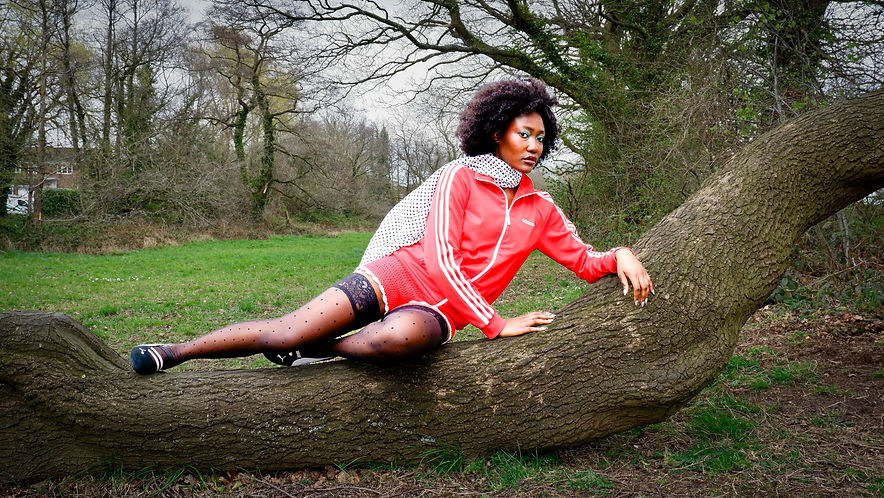
In that sense, knitting quietly challenges the tempo of the internet. It forces time back into the process of making things.
Yet the contradiction remains. The same platforms that accelerate consumer culture are also responsible for the revival of these slower practices. A jumper might take ten hours to knit, but the video documenting it is designed to be consumed in ten seconds.
Perhaps that tension explains why these ‘grandma hobbies’ resonate now more than ever. In a culture defined by speed, craft offers slowness. In a world dominated by screens, it offers something physical. And in an environment that lacks community, hobbies offer an excuse to come together.
Maybe we are becoming our grandmothers in a way that rediscovers the radicalism of doing things in our own time.