
How Eastenders is confronting Incel Culture and redefining broadcast television
by Abigail Mableson.
Incel culture is one of the most alarming social phenomena to take root in the UK in recent years. Short for “involuntary celibate”, incels present themselves as victims of feminism, claiming that women’s empowerment has stripped them of their rightful, masculine dominance. Figures such as Andrew Tate, a self-proclaimed misogynist, have built entire careers on spreading these ideas, packaging complex theory into simplified messages such as taking the “red or blue pill”: staying blind to women’s control or awakening to the belief that men are, in fact, oppressed.
For young men struggling with identity, loneliness, or rejection, the “manosphere” offers a seemingly safe haven. What begins as feelings of frustration and self-loathing can evolve into a radicalised worldview that legitimises misogyny and excuses male rage. Rather than helping men grow, these spaces trap them in a cycle of blame, fuelled by hostility and violence.
The danger of this ideology, and its fast-growing nature, has not gone unnoticed in British television. Netflix’s acclaimed limited series, Adolescence, captured the horror of a 13-year-old boy, Jamie Miller, spiralling into violence after consuming incel content. This series stunned audiences worldwide, not just with its raw portrayal of teenage radicalisation, but how plausible it felt. Parents suddenly realised how easily their children could encounter these toxic spaces, and how unprepared they were to recognise the signs.
Following this success, it is no surprise that other broadcasters are trying to tackle the subject. But few would have predicted that the BBC’s long-running soap Eastenders would be next. While relatively little has been reported about the storyline so far, bringing incel culture into one of Britain’s most enduring television institutions feels vital in extending the conversation.
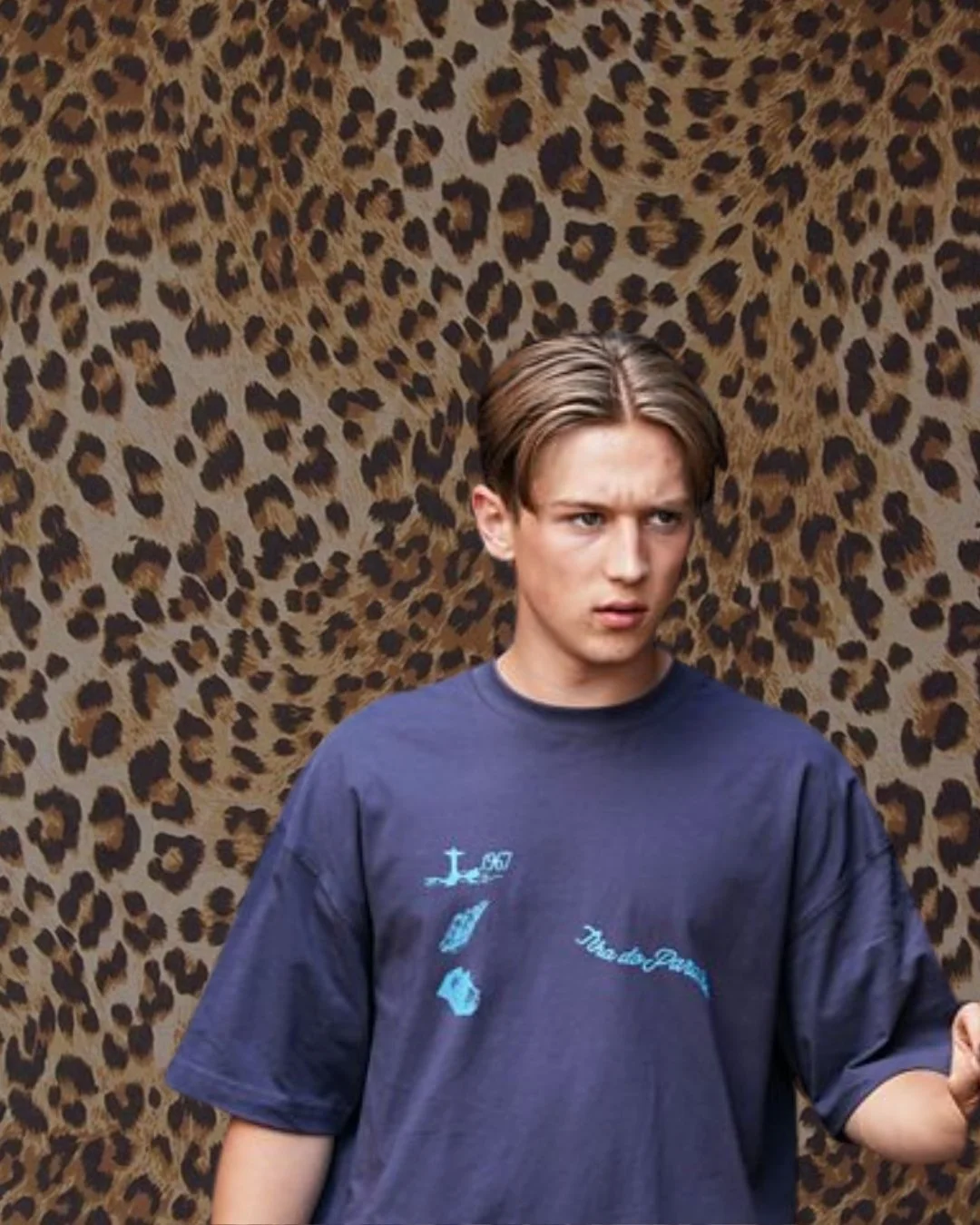
The storyline centres on 16-year-old Joel Marshall (Max Murray), introduced in 2025 alongside his father Ross (Alex Walkinshaw) and stepmother Vicki Fowler (Alice Haig). At first, Joel appeared to be another everyday character, but his arc soon revealed his chilling descent into the world of incel culture. He pressures his reluctant friend Tommy (Sonny James) to watch manosphere videos, pays for access to explicit online content, and becomes increasingly aggressive: groping women on the Tube, sending violent threats to a fictional OnlyFans page, and lashing out at his ex-love interest after she decides to have an abortion. His downward spiral culminates in abusing his stepmother, justifying his threats of violence by remarking that a “proper slapping would do [her] the world of good.”
For Eastenders, tackling taboo topics is nothing new. In 1991, Mark Fowler became the first mainstream British TV character to be diagnosed with HIV, a groundbreaking storyline that challenged public misconceptions at the height of the AIDS crisis. More recently, the soap was praised by domestic abuse charity Refuge in portraying Chantelle Atkins’ murder at the hands of her abusive husband Gray, and in 2024 explored violence against women through Tommy’s attacks on his mother Kat Slater. These storylines show Eastenders’ willingness to confront uncomfortable realities, sensitively portraying the broad nature of perpetrators and victims of violence against women and girls.
But the context of today is far different. Soap operas, once a British institution that pioneered educational entertainment, have slipped out of the limelight following the rise of streaming culture. In 1986, more than 30 million people watched Den Watts hand divorce papers to Angie on Christmas Day. By 2022, average viewership amongst 16-34 year olds had halved in just five years. Now, Eastenders’ core audience is older, working and middle-class viewers aged 45-74.
Some might see this decline as a weakness, yet in the case of incel culture, it could be a strength. Younger audiences are already immersed in online conversations through streaming and social media. Older viewers, meanwhile, are less likely to encounter or understand these toxic online movements, resigning the internet as something only for young people. By placing incel culture at the centre of a primetime soap, the BBC is forcing the conversation into households that might otherwise never engage with it, or confront it.
This is what makes Joel’s storyline so powerful. Like Adolescence, it shows how easily young men can be drawn in, and how little the adults around them understand it. Memorable scenes in Adolescence show DI Bascombe (Ashley Walters) being lectured by his young son on how quickly Jamie Miller had been radicalised by online culture. In both dramas, the fathers are left bewildered. By showing Ross struggling to discipline Joel, giving him traditional punishments and banning his online use, Eastenders mirrors real families who may be grappling with behaviour they cannot understand or relate to. The storyline does not sensationalise. Incel culture is not a throwaway detail in Joel’s arc: it is central. The narrative repeatedly signals the indoctrination of this ideology at work, ensuring that viewers, even if they have never heard the word “incel”, recognise the warning signs and act accordingly.
By no means is Eastenders a bastion of British television culture like it once was, but it shows the genius behind broadcast television. Unlike streaming, where viewers choose what to seek out, soaps are woven into daily life. A show playing in the background over dinner can suddenly expose a world unknown to the viewer. There is no opt-in for viewers apart from turning on the channel, no algorithm curating what content will appeal to you. Instead, you stumble into it, and are forced to engage.
This lack of choice may be precisely what is needed. For years, the radicalisation of young men has been dismissed as an “online issue” for the digital generation to sort out themselves. But bringing incel culture into one of Britain’s most traditional, mainstream programs, ensures that conversations are becoming a family matter, and no longer belongs to social media alone. In placing incel ideology into the centre of the narrative, Eastenders proves that even in decline, soaps retain the power to educate and provoke conversation in the same way it once did.